

Embark on a journey into The Future of Digital Wallets: Navigating Cross-Border Payments in Europe and Asia. This topic delves into the current landscape, challenges, technological innovations, and security concerns surrounding digital wallets in these regions.
Overview of Digital Wallets in Europe and Asia
Digital wallets have become increasingly popular in both Europe and Asia, offering users a convenient and secure way to make payments online and in-store. In Europe, countries like the UK, Germany, and France have seen a rapid adoption of digital wallet services, while in Asia, countries like China, India, and South Korea have embraced digital payments through mobile wallets.Key Players and Trends
In Europe, key players in the digital wallet industry include PayPal, Apple Pay, and Google Pay, which offer seamless payment experiences for users across different devices. These services are widely accepted by merchants and are continuously innovating to enhance security and convenience for users. On the other hand, in Asia, digital wallet giants like Alipay and WeChat Pay dominate the market, providing users with a wide range of payment options, including QR code payments and peer-to-peer transfers. These platforms have revolutionized the way people in Asia conduct financial transactions, especially in countries where traditional banking services may be less accessible.Popular Digital Wallet Services
Some popular digital wallet services in Europe include PayPal, which allows users to link their bank accounts and cards for easy online payments, and Apple Pay, which enables users to make contactless payments using their Apple devices. In Asia, Alipay and WeChat Pay are widely used for a variety of transactions, from shopping to bill payments and even investments. These platforms have integrated additional services like e-commerce and wealth management, making them essential tools for daily life in many Asian countries.Cross-Border Payment Challenges
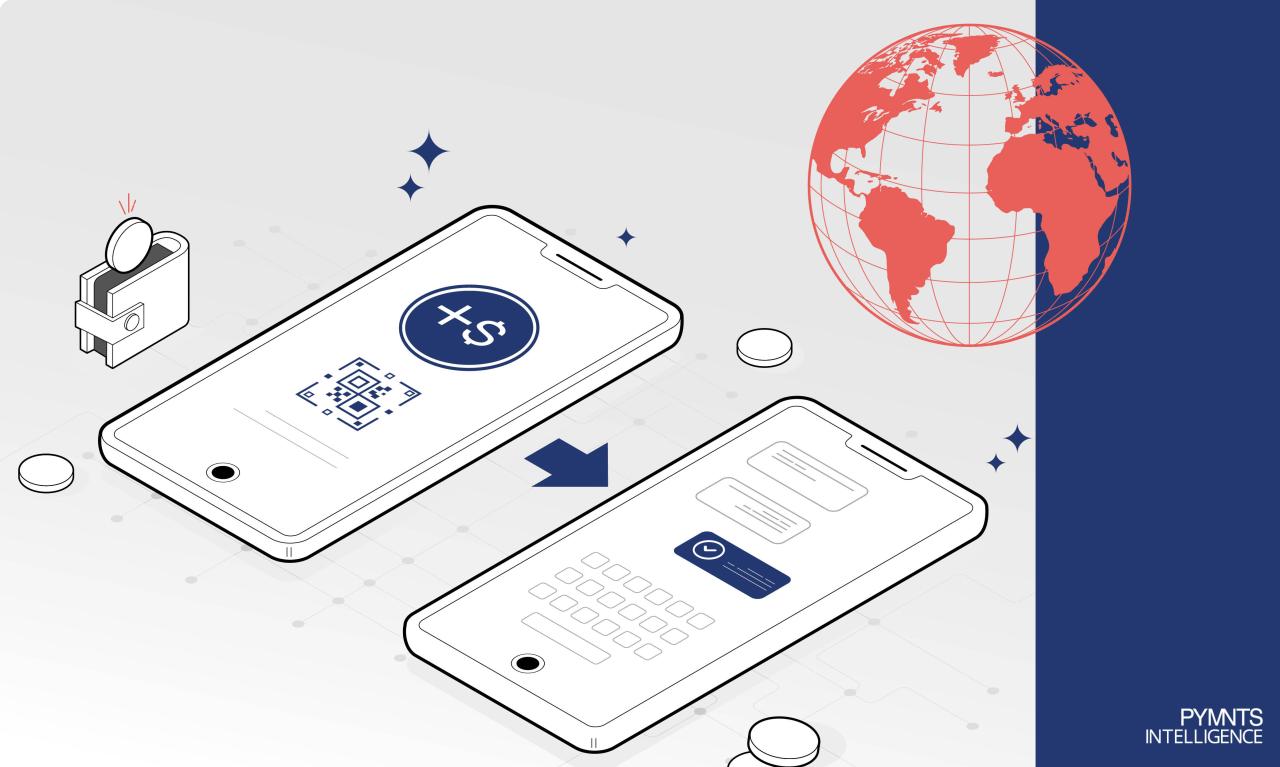
When it comes to cross-border payments between Europe and Asia, there are several challenges that arise due to regulatory, cultural, and technological differences.
Regulatory Differences
Regulatory variations between Europe and Asia impact cross-border transactions significantly. In Europe, the Payment Services Directive (PSD2) governs payment services, while Asia has its own set of regulations and compliance requirements. These differences can lead to compliance issues, delays, and additional costs when processing cross-border payments.
Currency Exchange Rates Impact
Currency exchange rates play a crucial role in cross-border payments through digital wallets. Fluctuations in exchange rates can affect the final amount received by the recipient, leading to potential losses or discrepancies. Digital wallet providers must navigate these exchange rate challenges to ensure transparent and cost-effective cross-border transactions for their users.
Technology Innovations in Digital Wallets
Digital wallets continue to evolve with the integration of cutting-edge technologies, revolutionizing the way we make cross-border payments. Technologies like blockchain and artificial intelligence (AI) are at the forefront of this transformation, enhancing security, speed, and convenience for users worldwide.Blockchain Integration
Blockchain technology has been a game-changer in the realm of digital wallets. By leveraging the decentralized and secure nature of blockchain, transactions can be conducted more efficiently and securely across borders. The immutability of blockchain ensures transparency and minimizes the risk of fraud, providing users with peace of mind when making international payments.AI-Powered Features
Artificial intelligence is also playing a pivotal role in enhancing digital walletsBiometric Authentication
Another innovative feature making waves in digital wallets is biometric authentication. By incorporating biometric data such as fingerprints or facial recognition, users can add an extra layer of security to their transactions. This not only enhances security but also simplifies the authentication process, making payments more seamless and convenient for users.Contactless Payments
Contactless payment technology is rapidly gaining popularity in digital wallets, especially in the wake of the global pandemic. With the ability to make payments without physical contact, users can enjoy a more hygienic and efficient payment experience. NFC-enabled digital wallets allow users to simply tap their devices to complete transactions, eliminating the need for cash or physical cards.Security and Privacy Concerns
Digital wallets have become a popular choice for making payments, offering convenience and efficiency. However, the security and privacy of user data are critical considerations when using these platforms for cross-border transactions.Security Measures by Digital Wallet Providers
- Digital wallet providers implement robust encryption techniques to secure user data during transactions. This includes SSL/TLS protocols to protect data in transit.
- Two-factor authentication (2FA) is commonly used to add an extra layer of security, requiring users to provide a second form of verification, such as a code sent to their mobile device.
- Biometric authentication methods, such as fingerprint or facial recognition, are increasingly being integrated into digital wallets to enhance security and prevent unauthorized access.
- Regular security audits and updates are conducted by digital wallet providers to identify and address any vulnerabilities in their systems.
Privacy Concerns with Cross-Border Payments
- When making cross-border payments through digital wallets, users may be required to provide personal information that could be subject to different privacy laws in various countries.
- There is a risk of data breaches or unauthorized access to sensitive information during cross-border transactions, especially if the digital wallet provider's security measures are not sufficient.
- Users must be cautious about sharing their personal data and ensure that they are using trusted and reputable digital wallet platforms to safeguard their privacy.
Role of Regulations in Ensuring Data Security and Privacy
- Regulatory bodies in Europe and Asia have implemented data protection regulations, such as the General Data Protection Regulation (GDPR) in the EU, to ensure that digital wallet providers adhere to strict guidelines for protecting user data.
- Compliance with these regulations is essential for digital wallet providers to maintain the trust of their users and avoid penalties for data breaches or privacy violations.
- Regulations play a crucial role in holding digital wallet providers accountable for maintaining high standards of data security and privacy, ultimately benefiting users who rely on these platforms for their financial transactions.
Closing Notes
In conclusion, The Future of Digital Wallets: Navigating Cross-Border Payments in Europe and Asia presents a comprehensive look at the evolving landscape of digital payments across continents, highlighting key factors that shape the industry's future.
FAQ Guide
What are the common challenges with cross-border payments in Europe and Asia?
Common challenges include regulatory differences, currency exchange rates, and varying payment systems.
How do digital wallet providers ensure data security?
Providers employ encryption, multi-factor authentication, and strict compliance measures to safeguard user data.
Are there any specific regulations governing digital wallets in Europe and Asia?
Yes, regulations differ by country but generally focus on data protection, anti-money laundering, and consumer rights.



![[ChatGPT] openai.error.RateLimitError: You exceeded your current quota ...](https://consulting.semaraknews.co.id/wp-content/uploads/2026/04/image-1-120x86.png)

![[ChatGPT] openai.error.RateLimitError: You exceeded your current quota ...](https://consulting.semaraknews.co.id/wp-content/uploads/2026/04/image-120x86.png)

![[ChatGPT] openai.error.RateLimitError: You exceeded your current quota ...](https://consulting.semaraknews.co.id/wp-content/uploads/2026/04/image-2-120x86.png)



![[ChatGPT] openai.error.RateLimitError: You exceeded your current quota ...](https://consulting.semaraknews.co.id/wp-content/uploads/2026/04/image-2-350x250.png)
